
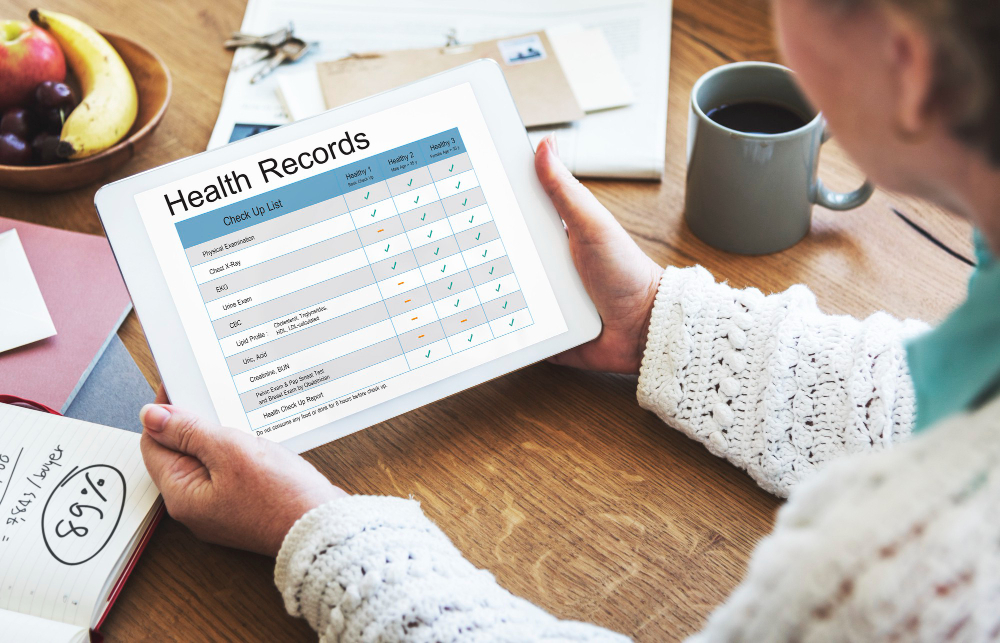
Everyday Lifestyle Checklist for People with Chronic Diseases

Everyday Lifestyle Checklist for People with Chronic Diseases

Living with a chronic disease can be challenging. However, small daily habits can make a big difference. An everyday lifestyle checklist for people with chronic diseases helps you stay on track. It supports better health and improves your quality of life. By following simple routines, you can manage symptoms and avoid complications. This guide covers key areas to help you build healthy habits every day.

Daily Medication Management

Taking your medicine as prescribed is very important. Missing doses can cause problems. Therefore, you should create a routine to help you remember.

  • Set alarms or reminders on your phone.
  • Use a pill organizer to sort your medicine for the week.
  • Keep a medication list and update it often.
  • Check with your doctor before stopping or changing any medicine.
  • Balanced Nutrition and Meal Planning

    Eating well supports your body and helps control your condition. In addition, planning meals can make healthy choices easier.

  • Include fruits, vegetables, whole grains, and lean proteins in your diet.
  • Limit salt, sugar, and processed foods.
  • Plan meals ahead to avoid unhealthy snacks.
  • Read food labels to check for hidden ingredients.
  • Physical Activity and Exercise Tips

    Staying active is good for your heart, muscles, and mood. Even light exercise can help. But always talk to your doctor before starting a new routine.

  • Take short walks daily, even around your home.
  • Try gentle stretching or yoga.
  • Use stairs instead of elevators when possible.
  • Set small, realistic goals for activity each week.
  • Stress Management Techniques

    Chronic diseases can cause stress. However, managing stress helps you feel better and keeps symptoms under control.

  • Practice deep breathing or meditation each day.
  • Write in a journal to express your feelings.
  • Listen to calming music or spend time in nature.
  • Talk to friends or family when you feel overwhelmed.
  • Sleep Hygiene and Rest

    Good sleep helps your body heal and cope with illness. Moreover, restful sleep can boost your mood and energy.

  • Go to bed and wake up at the same time each day.
  • Keep your bedroom cool, dark, and quiet.
  • Avoid screens and caffeine before bedtime.
  • Try relaxing activities, like reading, before sleep.
  • Regular Health Monitoring

    Checking your health numbers helps you catch problems early. For example, tracking blood pressure or blood sugar can guide your care.

  • Use a home monitor for blood pressure or glucose if advised.
  • Record your readings in a notebook or app.
  • Share your results with your healthcare provider.
  • Schedule regular check-ups and screenings.
  • Hydration and Avoiding Harmful Substances

    Staying hydrated keeps your body working well. At the same time, avoiding harmful substances protects your health.

  • Drink water throughout the day, even if you are not thirsty.
  • Limit sugary drinks and caffeine.
  • Avoid smoking and alcohol.
  • Talk to your doctor about safe fluid limits if you have kidney or heart issues.
  • Social Support and Mental Wellbeing

    Connecting with others can lift your spirits. Besides, strong support helps you manage your condition better.

  • Stay in touch with friends and family.
  • Join a support group for people with similar conditions.
  • Share your feelings with someone you trust.
  • Seek help from a counselor if you feel sad or anxious.
  • When to Seek Medical Advice

    Sometimes, you may notice new or worsening symptoms. In these cases, it is important to get help quickly.

  • Contact your doctor if you have sudden pain, trouble breathing, or chest discomfort.
  • Report any side effects from your medicine.
  • Ask questions if you are unsure about your care plan.
  • Keep emergency numbers handy at all times.
  • In summary, following an everyday lifestyle checklist for people with chronic diseases can help you stay healthy and active. Small steps each day make a big difference over time. Consult a healthcare professional for personalized advice on managing your chronic condition.