
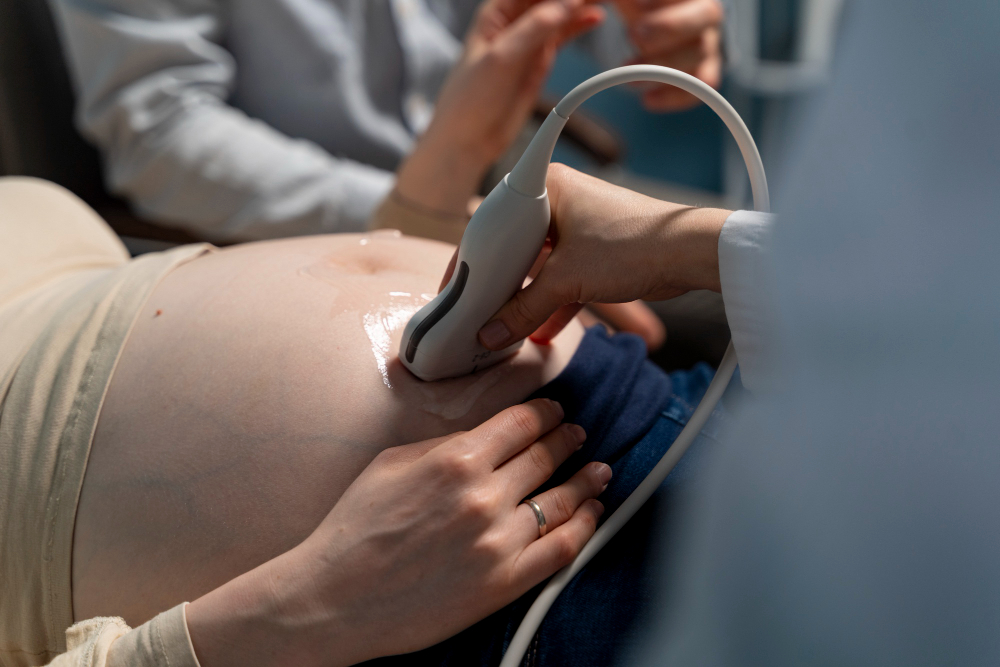
When you are eagerly waiting for your little one, ensuring their health is a top priority. It is why monitoring your baby’s development during pregnancy is crucial. Regular check-ups and scans play a vital role in this journey. One such important scan is the 2D echo in fetus. It provides a detailed view inside the womb and assesses the health of your baby’s heart.
A 2D echo in fetus is a specialized scan that uses sound waves to create images of the baby’s heart. Unlike a standard ultrasound, which shows the baby’s overall development, 2D echo focuses specifically on the heart. It offers a closer look and helps identify heart problems early on, making it an essential part of pregnancy care.
Understanding Fetal Echocardiography and Its Benefits
2D fetal echocardiography is a test that doctors use to see the baby’s heart inside the womb. It checks the heart’s shape, size, and how well it is working. This test is essential because finding any heart issues early means they can often be treated. It gives a clear view of how the baby’s heart pumps blood and how the valves work.
When does heartbeat begin in pregnancy? Usually, the baby’s heart starts beating around the sixth week. This is early, and sometimes moms might not even know they are pregnant yet. The 2D echo in fetus can pick up the heartbeat at this early stage. It’s a special tool for seeing how well the baby’s heart is forming and working.
The 2D echo in fetus is great because it can find heart problems very early. Thanks to new technology, doctors can see things that might need fixing later. This is better than regular heartbeat in pregnancy ultrasound, which might miss small issues with the heart’s function.
Doctors might suggest a fetal echocardiogram if there are reasons to check the baby’s heart, like if the parents had heart conditions or an abnormal routine ultrasound. Sometimes, if the mom has health issues, like diabetes, a prenatal echocardiogram is also a good idea. It helps know everything is alright with the little one’s heart.
What to Expect During a 2D Echo Exam
Wondering what happens during a 2D echo exam? It’s simple and safe! Here’s how it goes:
- Preparation: You lie down, and a warm gel is applied to your belly.
- Procedure: A small device moves over your belly to capture the baby’s heart pictures. This part usually takes about 30 to 60 minutes.
- Images: As the test happens, you might see pictures of your tiny baby’s heart on a screen.
Healthcare professionals, like doctors or sonographers, do the exam. They explain what’s happening as they go along, helping you feel comfortable. The exam is safe, causing no harm to you or your baby. It’s non-invasive, just like a regular heartbeat in pregnancy ultrasound.
Interpreting and Acting on 2D Echo Results
After your 2D echo exam, a doctor looks at the pictures of your baby’s heart. They check if everything is normal. If something unusual shows up, they might need more tests. Follow-up tests help understand what’s going on and the best way to help your baby.
Finding out about a problem early is good. It lets parents learn and decide the best moves for their baby’s health. Doctors work with you, explaining what’s needed and making sure you understand everything without stress. By acting early, these steps can lead to better outcomes for any treatment your baby might need.
Moreover, knowing your baby is developing well or having insights if there’s any issue can help you bond early. Knowing whether things are normal or not lets you prepare emotionally and think about what steps you need next. You will feel more in control and ready to welcome your little one into the world.
A 2D echo in fetus not only reassures but prepares families, providing essential information during pregnancy. Embrace this journey with assurance, knowing the best care options are within reach. If you’re unsure or need a fetal echocardiogram near me, talk to your doctor about getting one. They can guide you to a trusted place for this important exam. Remember, early monitoring fosters confidence and strengthens your bond with your baby.